










June 10, 2026
What Extreme Fire Testing Tells us About Battery Storage Safety
Share my #SolaXStory


Battery energy storage is moving from the edge of the power system to its centre.
For solar developers, asset owners and grid operators, this is good news. Battery energy storage system helps smooth generation, shift power into the evening peak and support a more flexible grid. Yet the growth of large-scale battery energy storage systems, or BESS, also brings a simple question into sharper focus: how safe is the system when something goes wrong?
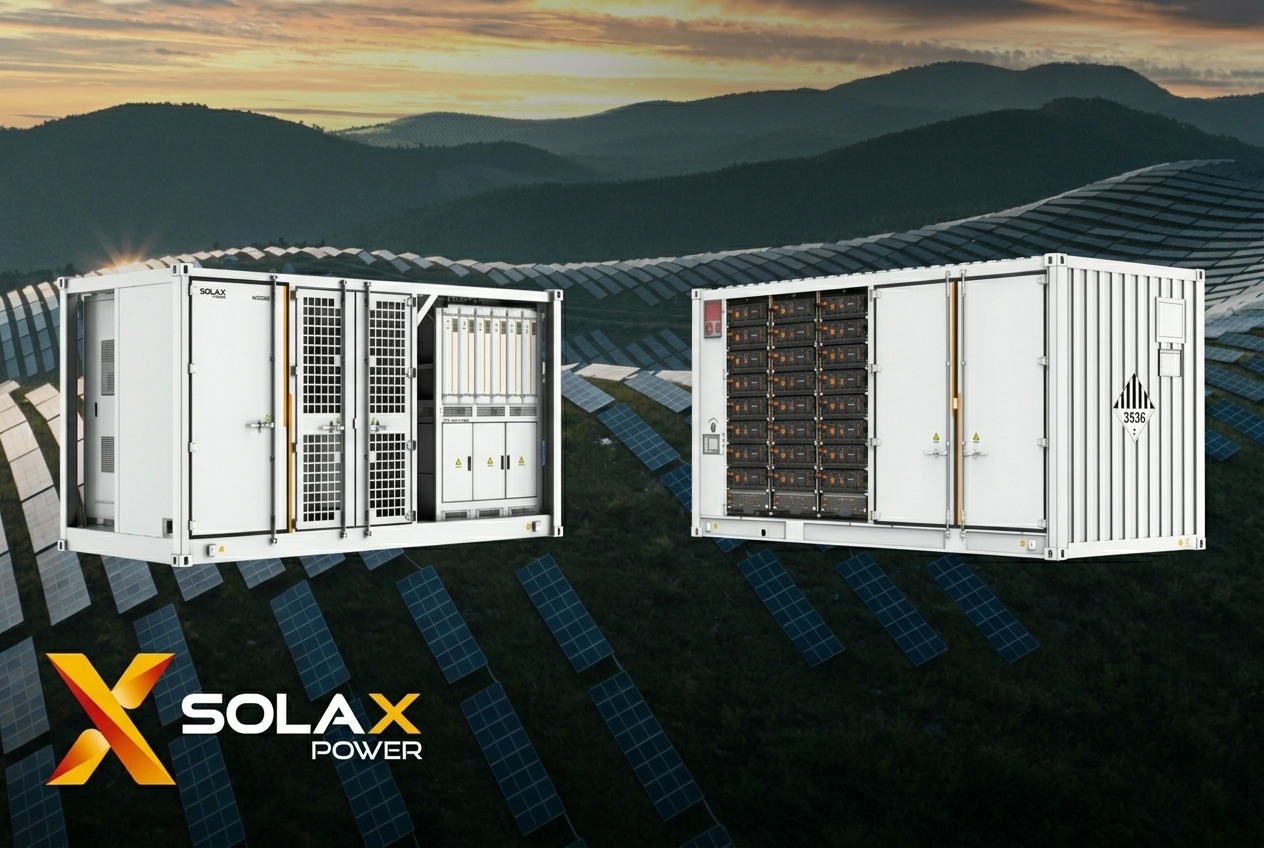
That question cannot be answered by cell data alone. It cannot be answered only by a brochure, a battery management system, or a single cabinet certificate. Battery storage safety has to be understood at system level. It has to be tested under conditions that are closer to real project risk.
This is why standards such as UL 9540A and NFPA 855 matter to the solar and storage sector. They do not remove all risk. No standard can do that. Their value is that they give developers, fire authorities, insurers and manufacturers a clearer way to study risk, design around it and verify that design with evidence.
From cell failure to site-level risk
Most BESS safety discussions start with thermal runaway. This is the process in which a battery cell overheats and enters a self-heating reaction. Once it starts, the cell may release heat, smoke, flammable gases and toxic by-products.
In a well-designed battery energy storage system, one cell failure should not become a module failure. A module failure should not become a cabinet failure. A cabinet fire should not spread freely through a battery site.
That is the safety logic behind modern BESS design. It is also the reason why battery safety testing is moving beyond small samples.
Safety question | Why it matters for solar and storage projects |
Can a cell enter thermal runaway? | This helps define the basic hazard of the battery chemistry and design. |
Can thermal runaway spread within a module? | This shows whether one failed cell can trigger nearby cells. |
Can a cabinet or container contain the event? | This is critical for system design, spacing and emergency planning. |
Can one unit expose neighbouring units to dangerous heat? | This affects site layout, project yield, land use and insurance review. |
Can safety systems still operate during stress? | This matters for alarms, communications, emergency response and asset protection. |
For photovoltaic projects, the last two points are becoming more important. Storage is often added to solar farms to improve grid value. The battery site may sit close to inverters, transformers, access roads, vegetation, fences or other containers. A BESS safety case therefore has to look at the whole installation, not only the battery cell.
How Europe looks at BESS safety?
Europe does have rules for battery safety, but it does not have one single fire code that works in the same way as NFPA 855 in the United States.
The EU Battery Regulation sets a broad product safety requirement for stationary battery energy storage systems. It expects systems placed on the market or put into service to be safe during normal operation and use. It also requires technical documentation, evidence of testing and mitigation instructions for hazards such as fire or explosion.
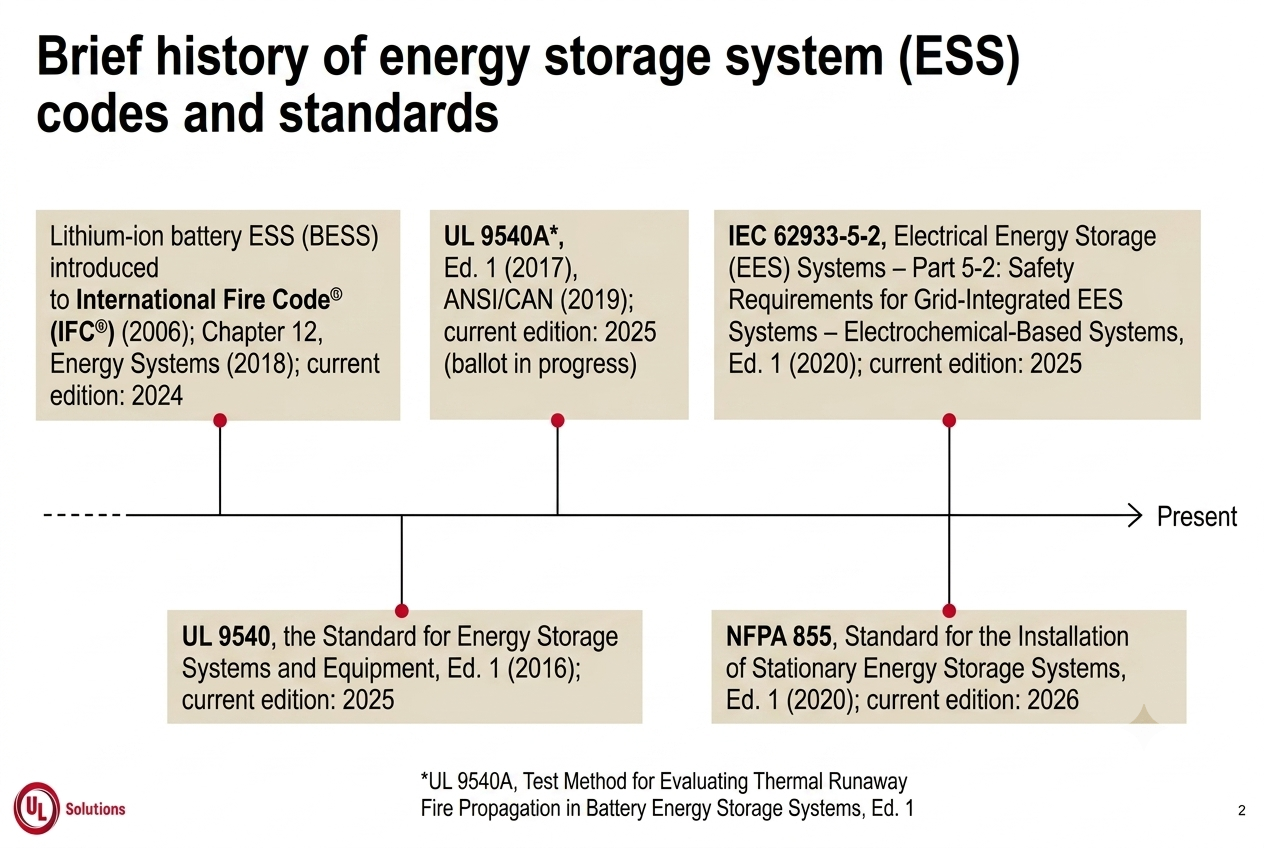 Source from: UL solutions
Alongside this, BESS projects in Europe are shaped by CE-related obligations, electrical safety rules, EMC requirements, local planning processes, national fire regulation, environmental permitting and recognised standards such as EN/IEC 62933-5-2.
For the UK market, the picture is similar. There is growing guidance for grid-scale battery storage, including from fire and rescue bodies, but project review still depends heavily on local planning, early engagement with fire and rescue services, site-specific risk assessment and credible technical evidence.
A simple way to read the landscape is this:
Framework | Region | What it does in practice |
EU Battery Regulation 2023/1542 | EU | Sets product-level safety and documentation duties for stationary BESS. |
EN/IEC 62933-5-2 | Europe / International | Provides a system-level safety framework for grid-connected electrochemical storage. |
Local fire and planning rules | Europe / UK | Shape site layout, access, water strategy, emergency response and local approval. |
NFPA 855 | US, but widely referenced | Defines installation safety expectations for stationary ESS, including spacing, fire protection and emergency planning. |
UL 9540A | Internationally used test method | Evaluates thermal runaway behaviour, fire propagation and explosion-related hazards. |
For international BESS manufacturers, this creates a clear message. Compliance is not only about meeting one rule in one country. It is about building a safety case that can be understood by different authorities, insurers and project partners.
Why UL 9540A and NFPA 855 are changing the conversation?
UL 9540A is often misunderstood. It is not a simple marketing badge. It is a test method used to generate data on how a battery energy storage system behaves when thermal runaway occurs.
That data can support installation decisions. It can help define separation distances, fire protection requirements, emergency response plans and assumptions used by engineers and authorities.
NFPA 855, especially in its 2026 edition, raises the importance of large-scale fire testing. The direction is clear: the industry needs evidence from representative systems, not only from isolated cells or modules.
Large-scale BESS fire testing looks at conditions such as gas release, ignition, fire growth, heat transfer, propagation risk and the response of adjacent units. It asks a practical question: if one unit burns, does the fire spread to the next one?
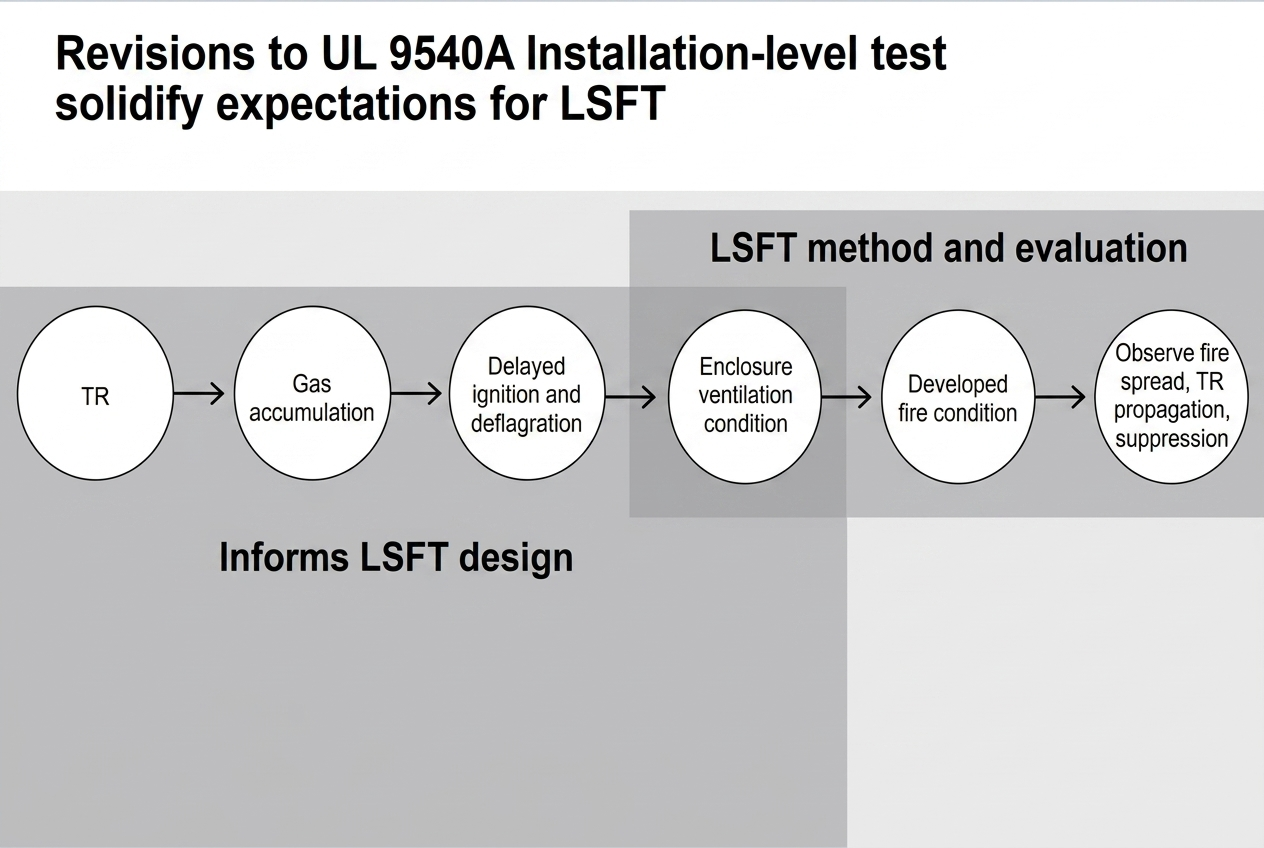
Source from: UL solutions
This is a more useful question for project owners. A solar-plus-storage asset is not made of laboratory samples. It is made of containers, cables, PCS equipment, transformers, monitoring systems, access routes and emergency procedures. The fire safety case has to reflect that reality.
What SolaX ORI tested?
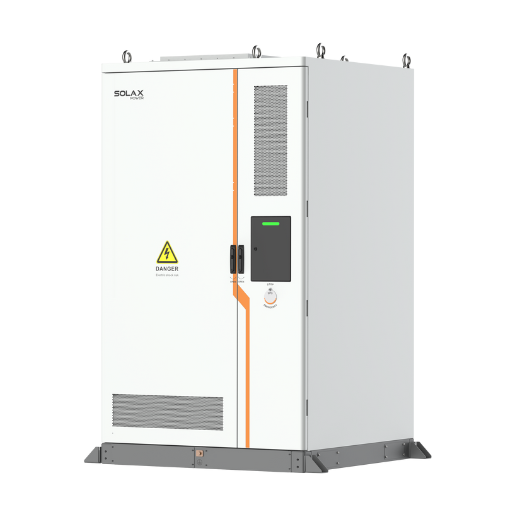
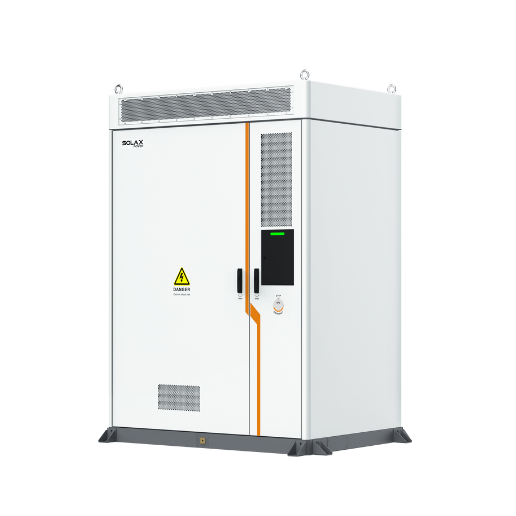
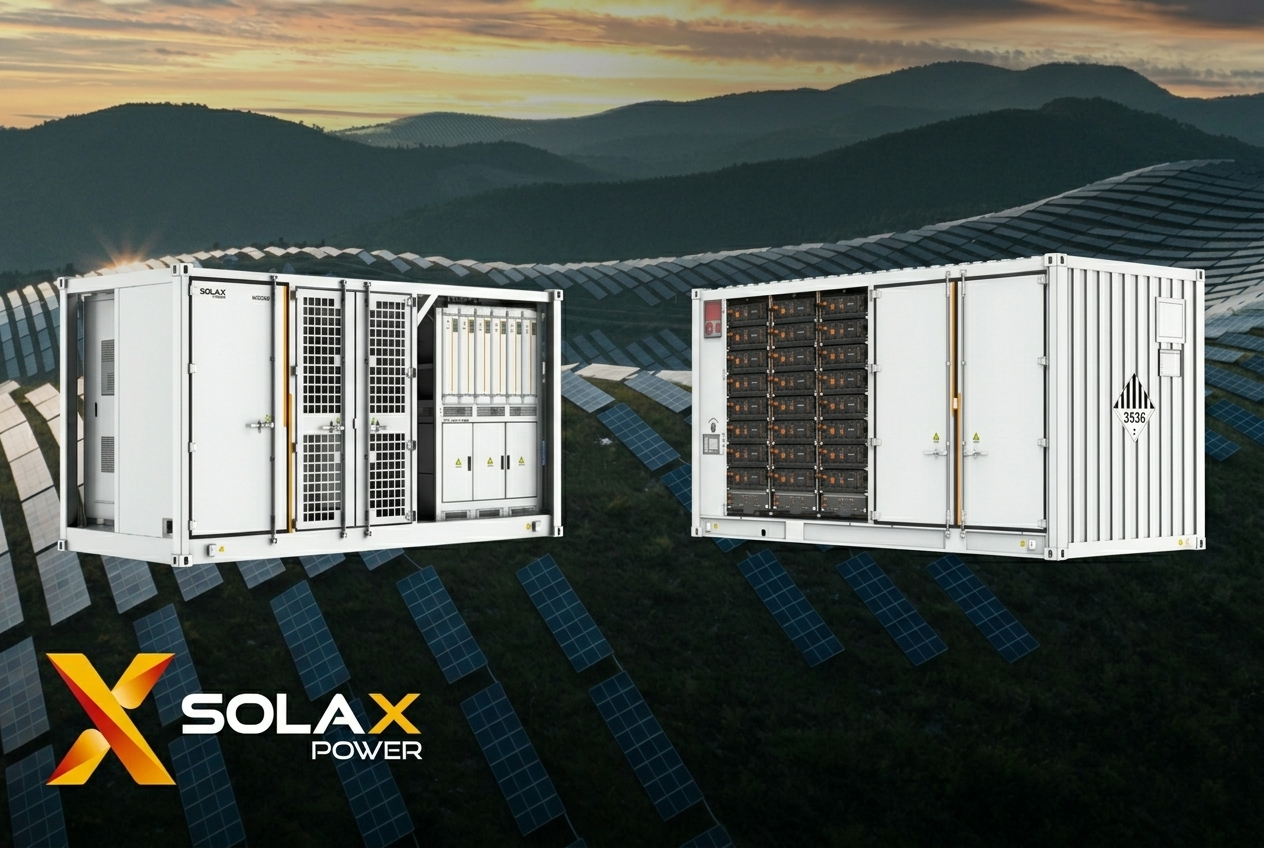
Against this backdrop, SolaX has completed two extreme tests around its ORI large-scale energy storage system.
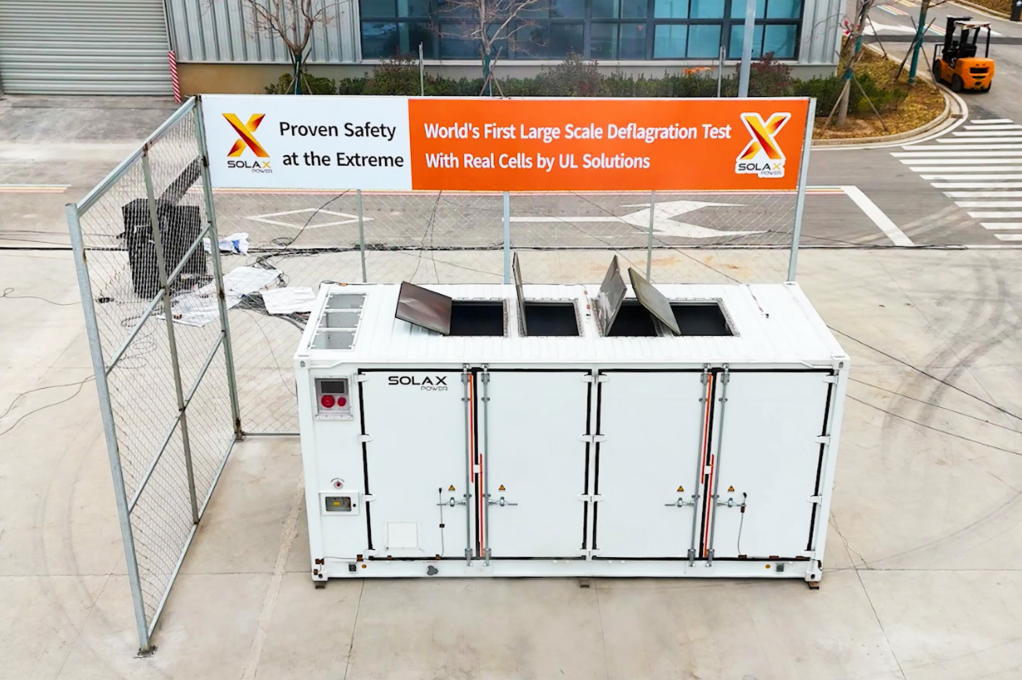
The first, a full-scale deflagration test under UL 9540A:2025 with real cells, examined the thermal runaway chain – flammable gas release, accumulation and ignition. A deflagration is a rapid burn that raises enclosure pressure, a serious structural challenge for battery containers. In the test, real ORI cells were pushed into runaway with ventilation deliberately kept closed to create a demanding scenario. The pressure‑relief structure activated, container doors stayed shut, and there was no notable deformation, rupture or fragment ejection. The value is not a promise of zero risk but evidence of system behaviour during a severe internal event.
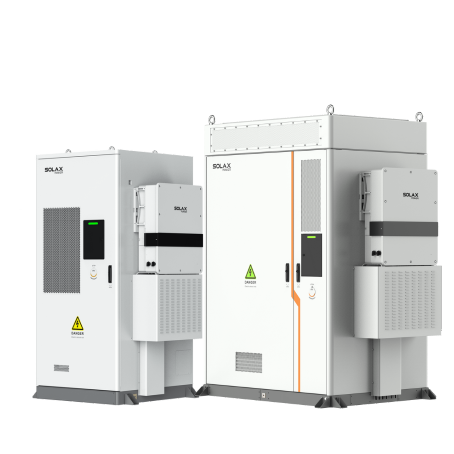
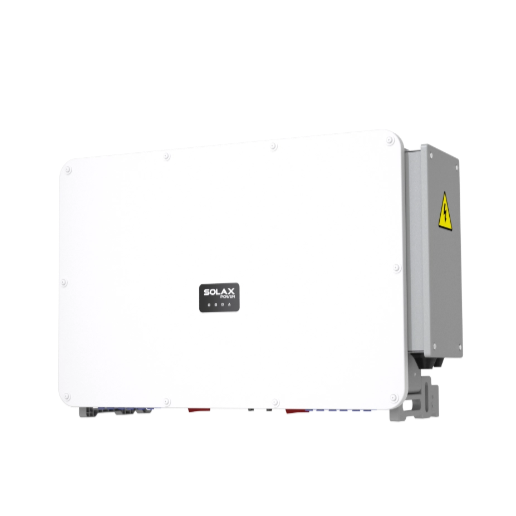
The second, under UL 9540A:2026, was a large-scale fire test involving 4 sets of DC battery containers and 1 set of PCS&Transformer station, forming a realistic site layout. Whilst single container tests are useful, only a multi-unit setup can properly assess spacing, heat exposure to neighbouring units, cable fire risk, BMS continuity and fire‑alarm response. For PV projects, this links directly to bankability: a battery fire can affect plant availability, insurance terms, grid commitments and long‑term investor confidence.
Safety as an engineering boundary
The storage industry should choose safety words carefully. No serious manufacturer claims a battery system carries zero risk. Lithium-ion batteries store a great deal of energy. Under fault conditions, they release heat, gas and flame.
The better question is simpler: has the safety boundary been tested, and is there evidence to support it?
SolaX's deflagration and large-scale fire tests on the ORI system treat safety not as a datasheet claim, but as an engineering boundary – something to be challenged, measured and improved.
This approach matters for customers. It matters for EPCs and developers who need clearer design input, and for insurers and fire authorities who need credible proof. It matters for the wider energy transition as well, because public trust in battery storage will hinge on how seriously the industry takes rare but high-impact events.
Large-scale storage is vital for a renewables-led power system. The sector must now prove it can scale with discipline.
SolaX's message is therefore kept simple: safer storage is not built from words alone. It is built from design, testing, transparency and a readiness to validate systems at their limits.
Last News
Explore expert insights, practical guides, and the latest news on SolaX Power.




To the Latest Newsletter
Stay Ahead with the Latest SolaX Updates!
Subscribe
I have read and agree to Privacy Policy and User Terms